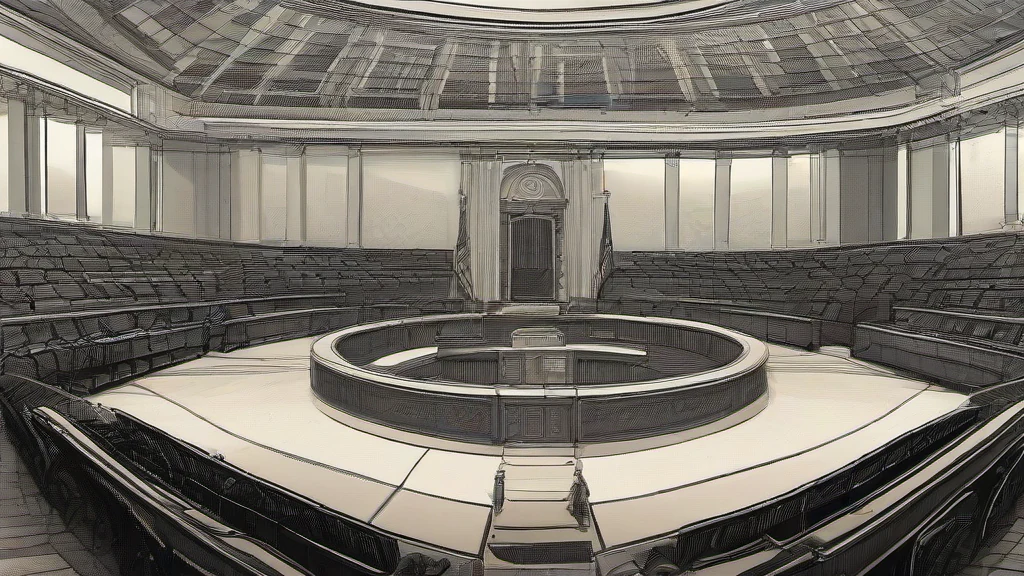
Italy’s Senate has given final approval to a cinema and audiovisual industry reform, adopting the text without changes from the version passed by the Chamber of Deputies. The bill passed without votes against or abstentions, in a rare show of bipartisan agreement. Directors Pupi and Antonio Avati watched from the gallery and applauded.
The reform provides for a Forum to replace the Higher Council for Cinema and Audiovisual, and an Agency to take over operational duties currently handled by the Ministry of Culture. The Agency will have organizational, financial and managerial autonomy, while political direction, strategic oversight and inspection remain outside its remit.
Associations representing authors, directors and screenwriters said they were “perplexed” after all amendments were withdrawn and converted into motions accepted by the government, allowing the bill to pass unchanged. The groups, now united in a coordination body, said the process left key concerns unresolved and argued that a system-wide law should reflect a shared vision for Italian cinema rather than defer outstanding issues to later measures.
Under the legislation, the government must adopt one or more legislative decrees within two years to reform and reorganize the sector. The measures are expected to establish a National Cinema and Audiovisual Hub that will include Cinecittà and the Experimental Centre of Cinematography, introduce three-year planning, and set at least two annual periods for distributing grants. They will also address management of the cinema investment fund, tax-credit oversight, incentives for cinemas, support for independent production and industry welfare. The delegation includes plans for a commission to assess works and projects seeking support from the Cinema Fund.
Undersecretary Lucia Borgonzoni said the government would work to ensure the law did not hold back the sector and that the implementing decrees were prepared as quickly as possible. The reform also delegates to the government a wider overhaul of public financial support, with the aim of balancing automatic and selective aid, tax incentives and grants.
Several lawmakers welcomed the cross-party agreement. Democratic Party senator Cecilia D’Elia said her party would continue pressing for the sector’s concerns to be addressed during implementation. The Five Star Movement called the legislation a first important step for Italian cinema, while Italy Viva said it strengthened a prominent Italian calling card abroad. Brothers of Italy deputy Federico Mollicone also praised Parliament for overcoming ideological divisions, and Democrat Francesco Boccia urged lawmakers to maintain a united approach during implementation, funding decisions and consultations with industry professionals.
Sources: ANSA Politica.